Campgrounds in North Dakota
Camp in the peaceful plains and badlands of the Peace Garden State
12
Campgrounds listed
100%
With photos
100%
Detailed descriptions
Campground
Top campground type
Highlights
Featured campgrounds in North Dakota
Explore by campground name letter
Jump to A-Z landing hubs for stronger discovery paths beyond North Dakota.
All campgrounds
Showing 12 campgrounds

Overview CCC Campground lies in the Badlands of North Dakota. There are a few trials located here. There are 32 sites and 3 campground loops. The campground has 5 reservable sites. This is a pay and scan facility. Ensure that you have Receration.gov app downloaded on your phone prior to arriving. Scan QR code to make payment. This location also excepts cash, use the fee envelopes located at the fee tubes for cash payments. Recreation Maah Daah Hey Trail that goes for 150 miles, Ends at Burning Coal Vein Campground. Sunset loop which is a short 2-mile hike that connects the Maah Daah Hey Trail and the Long X trail. If you are looking for a day hike, there is a 11-mile loop Maah Daah Hey Trial to the Long X Trail. Where you will see dramatic views of the badlands and prairies of Western North Dakota. The Little Missouri river runs along the northern part of the campground. Facilities Maah Daah Hey Trail that goes for 150 miles, Ends at Burning Coal Vein Campground. Sunset loop which is a short 2-mile hike that connects the Maah Daah Hey Trail and the Long X trail. If you are looking for a day hike, there is a 11-mile loop Maah Daah Hey Trial to the Long X Trail. Where you will see dramatic views of the badlands and prairies of Western North Dakota. The Little Missouri river runs along the northern part of the campground. Natural Features Here you will be surrounded by colorful buttes. During your stay you may have Prong horn, mule and white tail deer going through your site. On rare occasions Big horn sheep can be seen grazing in the area. This area is great for birders, plant enthusiast during the spring and summer months. Perfect all year for the outdoor adventurers. Nearby Attractions Right across the river is Theodore Roosevelt National Park. Watford City is a 15 min drive north on HWY 85 for any supplies that you may need.
View details →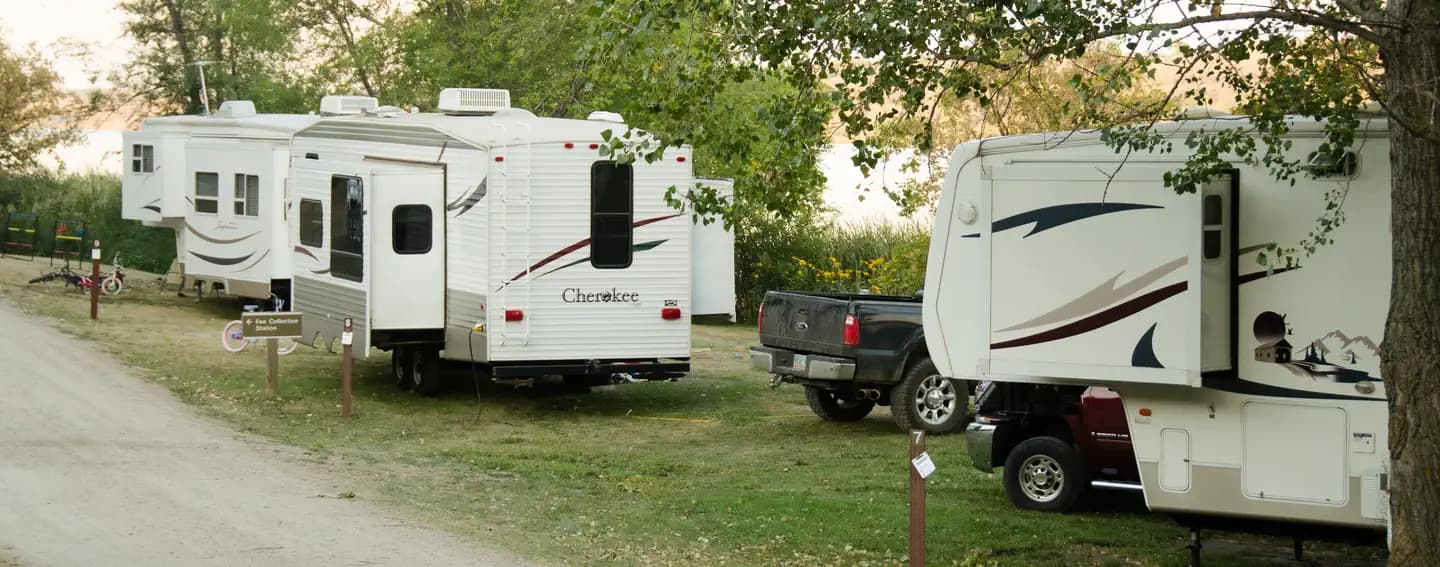
Overview West Ashtabula Crossing Campground is located on 23 developed acres adjacent to Lake Ashtabula in eastern North Dakota. It is very popular and fills up on most weekends. Lake Ashtabula was created by the construction of the Baldhill Dam on the Sheyenne River in 1944, and is situated in one of the most scenic river valleys in the region, offering visitors a wide range of recreation opportunities year-round. Summer activities include fishing, boating, swimming and picnicking, while Ice fishing and cross-country skiing are popular during winter months. Recreation The name "Ashtabula" is a Native American word meaning "Fish River," which suits the lake's fish population; popular species include walleye, northern pike, white bass, yellow perch and black bullhead. With seven boat ramps, three accessible fishing piers and four automated fish cleaning stations, the lake is very convenient for anglers. Nearly 3,000 acres of land around the lake is managed as wildlife habitat by the Corps of Engineers and open to the public for wildlife viewing, birding, hiking and hunting. Hunters and anglers should contact the North Dakota Game and Fish Department for seasons, restrictions and licenses; fishing licenses and bait may be purchased from concessionaires around the lake. Campers can also reach the 63-mile Sheyenne River Valley National Scenic Byway nearby and access the North Country National Scenic Trail from the campground. Facilities The name "Ashtabula" is a Native American word meaning "Fish River," which suits the lake's fish population; popular species include walleye, northern pike, white bass, yellow perch and black bullhead. With seven boat ramps, three accessible fishing piers and four automated fish cleaning stations, the lake is very convenient for anglers. Nearly 3,000 acres of land around the lake is managed as wildlife habitat by the Corps of Engineers and open to the public for wildlife viewing, birding, hiking and hunting. Hunters and anglers should contact the North Dakota Game and Fish Department for seasons, restrictions and licenses; fishing licenses and bait may be purchased from concessionaires around the lake. Campers can also reach the 63-mile Sheyenne River Valley National Scenic Byway nearby and access the North Country National Scenic Trail from the campground. Natural Features The campground is on a wooded hillside offering shade for most sites. It lies amidst the 'prairie potholes' region of glacially-carved lakes in North Dakota. Spring and fall bring bountiful views of migratory water birds to Lake Ashtabula, including the unique white pelican, which can be seen in large flocks during summer. The lake region also provides habitat for white-tailed deer, sharptail grouse, wild turkey and gray partridge.
View details →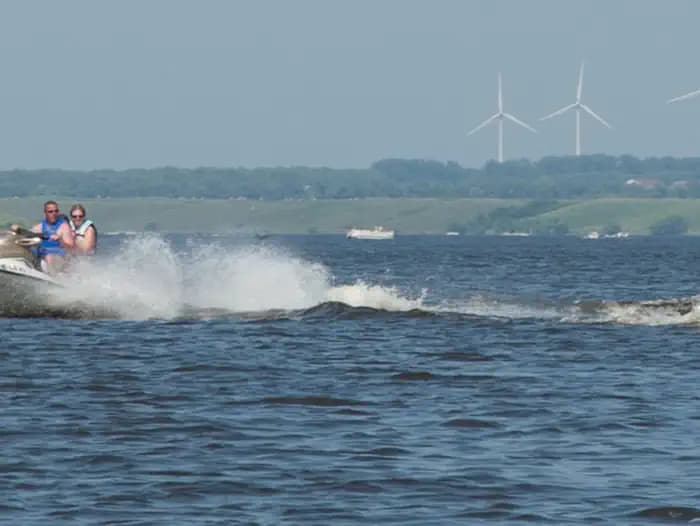
Overview The East Ashtabula Crossing Campground is located on 12 developed acres adjacent to Lake Ashtabula in eastern North Dakota. It is one of the most popular campgrounds in the area. Lake Ashtabula was created by the construction of the Baldhill Dam on the Sheyenne River in 1944, and is situated in one of the most scenic river valleys in the region, offering visitors a wide range of recreation opportunities year-round. Summer activities include fishing, boating, swimming and picnicking, while Ice fishing and cross-country skiing are popular during winter months. Recreation The name "Ashtabula" is a Native American word meaning "Fish River," which suits the lake's fish population; popular species include walleye, northern pike, white bass, yellow perch and black bullhead. With seven boat ramps, three accessible fishing piers and four automated fish cleaning stations, the lake is very convenient for anglers. Nearly 3,000 acres of land around the lake is managed as wildlife habitat by the Corps of Engineers and open to the public for wildlife viewing, birding, hiking and hunting. Hunters and anglers should contact the North Dakota Game and Fish Department for seasons, restrictions and licenses; fishing licenses and bait may be purchased from concessionaires around the lake. Campers can also drive the 63-mile Sheyenne River Valley National Scenic Byway and access nearly 35 miles of the North Country National Scenic Trail nearby. Facilities The name "Ashtabula" is a Native American word meaning "Fish River," which suits the lake's fish population; popular species include walleye, northern pike, white bass, yellow perch and black bullhead. With seven boat ramps, three accessible fishing piers and four automated fish cleaning stations, the lake is very convenient for anglers. Nearly 3,000 acres of land around the lake is managed as wildlife habitat by the Corps of Engineers and open to the public for wildlife viewing, birding, hiking and hunting. Hunters and anglers should contact the North Dakota Game and Fish Department for seasons, restrictions and licenses; fishing licenses and bait may be purchased from concessionaires around the lake. Campers can also drive the 63-mile Sheyenne River Valley National Scenic Byway and access nearly 35 miles of the North Country National Scenic Trail nearby. Natural Features The campground is on a wooded hillside offering shade for most sites. It lies amidst the 'prairie potholes' region of glacially-carved lakes in North Dakota. Spring and fall bring bountiful views of migratory water birds to Lake Ashtabula, including the unique white pelican, which can be seen in large flocks during summer. The lake region also provides habitat for white-tailed deer, sharptail grouse, wild turkey and gray partridge.
View details →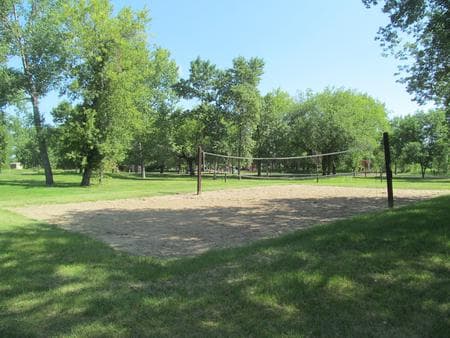
Overview The Downstream Campground is located on the East bank of the Missouri River below the Garrison Dam, which forms Lake Sakakawea. The area offers a wide variety of recreational activities, including boating, fishing, hiking, mountain biking, sailing, scuba diving, bird watching, and hunting. In the winter time the area offers a cross country ski trails and bow hunting opportunities. For more information, please visit the Garrision Dam & Lake Sakakawea website here . Recreation The Missouri River and Lake Sakakawea offers excellent boating, fishing, and hunting opportunities. Several state record fish have been caught down below the Garrison Dam on the Missouri River Tailrace and in Lake Sakakawea. Anglers fish for walleye, sauger, northern pike, bass, bluegill, crappie, cutthroat trout, rainbow trout, brown trout, white bass, large mouth and small mouth bass. Chinook salmon can be also found in the lake, the only body of water in the state with this species. The best catfishing around is found directly below Garrison Dam on the Missouri River. Younger visitors love the three playgrounds in the campground, while the volleyball courts and horseshoe pits are enjoyed by campers of all ages. There is an amphiteater located in the campground which offers events for families with kids. Saturday nights usually show a outdoor movie and offer games or ranger staff to provide a interpretive program. The nearby trout fishing pond has a fishing pier for easy access along miles of hiking and biking trails leading to the National Fish Hatchery for hours of family filled fun! The Riverdale State Wildlife Management Area is also located directly across the campground and offers great hunting opportunities, its 2,250 wooded acres are open to hunting for deer, pheasants, sharp-tail grouse, cottontail rabbits, and tree squirrels during open seasons. Facilities The Missouri River and Lake Sakakawea offers excellent boating, fishing, and hunting opportunities. Several state record fish have been caught down below the Garrison Dam on the Missouri River Tailrace and in Lake Sakakawea. Anglers fish for walleye, sauger, northern pike, bass, bluegill, crappie, cutthroat trout, rainbow trout, brown trout, white bass, large mouth and small mouth bass. Chinook salmon can be also found in the lake, the only body of water in the state with this species. The best catfishing around is found directly below Garrison Dam on the Missouri River. Younger visitors love the three playgrounds in the campground, while the volleyball courts and horseshoe pits are enjoyed by campers of all ages. There is an amphiteater located in the campground which offers events for families with kids. Saturday nights usually show a outdoor movie and offer games or ranger staff to provide a interpretive program. The nearby trout fishing pond has a fishing pier for easy access along miles of hiking and biking trails leading to the National Fish Hatchery for hours of family filled fun! The Riverdale State Wildlife Management Area is also located directly across the campground and offers great hunting opportunities, its 2,250 wooded acres are open to hunting for deer, pheasants, sharp-tail grouse, cottontail rabbits, and tree squirrels during open seasons. Natural Features The campground is located in a beautiful nautral cottonwood forest and is situated along the Missouri River with open grassy areas. Walk along the sand dunes along the Missouri River or the miles of walking trails leading to the National Fish Hatchery and trout fishing pond. Nearby Attractions Garrison Dam National Fish Hatchery is minutes from the campground and is open to the public. A visitor center, complete with five 400-gallon aquariums, provides great opportunities to view the fish of North Dakota in their environment. The Garrison Dam Power Plant offers tours during the months of June, July and the first part of August on Thursdays, Fridays, and Saturdays at 2pm. Lake Sakakawea State Park Audubon National Wildlife Refuge contact_info For facility specific information, please call (701) 654-7411. Charges & Cancellations Reservation changes and cancellations can be made on Recreation.gov or by calling 1-877-444-6777. For more information on rules and policies regarding reservation cancellations and changes, please visit: https://www.recreation.gov/rules-reservation-policies .
View details →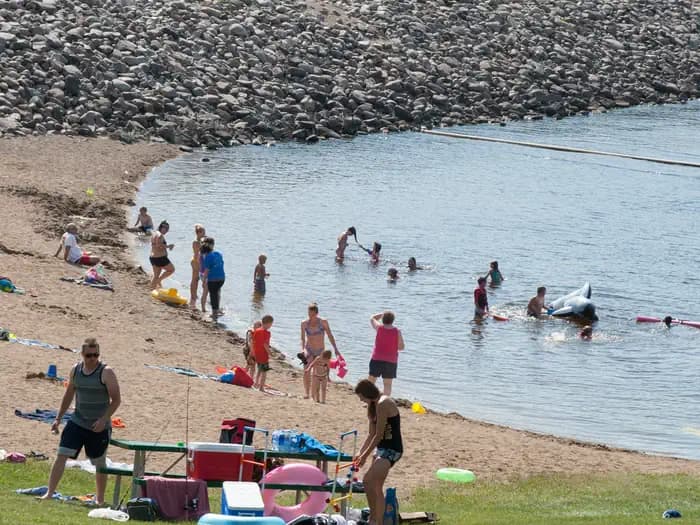
Overview The Mel Rieman Campground and Recreation Area is a 70-acre facility on the shoreline of Lake Ashtabula in eastern North Dakota. The campground is known for its spectacular sunset views. It is close to the Baldhill Dam and within walking distance of the Mel Rieman day-use area, where visitors can swim, fish and picnic. Lake Ashtabula was created by the construction of the Baldhill Dam on the Sheyenne River in 1944, and is situated in one of the most scenic river valleys in the region. Visitors can choose from a wide range of recreation opportunities year-round, including ice fishing and cross-country skiing during winter months. Recreation There is no shortage of recreation opportunities and outdoor fun in and around the lake. The day-use area is adjacent to the campground and has a visitor center, playgrounds, picnic facilities, concessions, fishing spots and a boat ramp. The name "Ashtabula" is a Native American word meaning "Fish River," which suits the lake's fish population; popular species include walleye, northern pike, white bass, yellow perch and black bullhead. With seven boat ramps, two accessible fishing piers and four automated fish cleaning stations, the lake is very convenient for anglers. Nearly 3,000 acres of land around the lake is managed as wildlife habitat by the Corps of Engineers and open to the public for wildlife viewing, birding, hiking and hunting. Hunters and anglers should contact the North Dakota Game and Fish Department for seasons, restrictions and licenses; fishing licenses and bait may be purchased from concessionaires around the lake. Campers can also reach the 63-mile Sheyenne River Valley National Scenic Byway and access nearly 35 miles of the North Country National Scenic Trail within a short drive. Facilities There is no shortage of recreation opportunities and outdoor fun in and around the lake. The day-use area is adjacent to the campground and has a visitor center, playgrounds, picnic facilities, concessions, fishing spots and a boat ramp. The name "Ashtabula" is a Native American word meaning "Fish River," which suits the lake's fish population; popular species include walleye, northern pike, white bass, yellow perch and black bullhead. With seven boat ramps, two accessible fishing piers and four automated fish cleaning stations, the lake is very convenient for anglers. Nearly 3,000 acres of land around the lake is managed as wildlife habitat by the Corps of Engineers and open to the public for wildlife viewing, birding, hiking and hunting. Hunters and anglers should contact the North Dakota Game and Fish Department for seasons, restrictions and licenses; fishing licenses and bait may be purchased from concessionaires around the lake. Campers can also reach the 63-mile Sheyenne River Valley National Scenic Byway and access nearly 35 miles of the North Country National Scenic Trail within a short drive. Natural Features The lake area lies amidst the 'prairie potholes' region of glacially-carved lakes in North Dakota. Bountiful migratory water birds flock to Lake Ashtabula, including the unique white pelican, which can be seen in large quantities during summer. The region also provides habitat for white-tailed deer, sharptail grouse, wild turkey and gray partridge.
View details →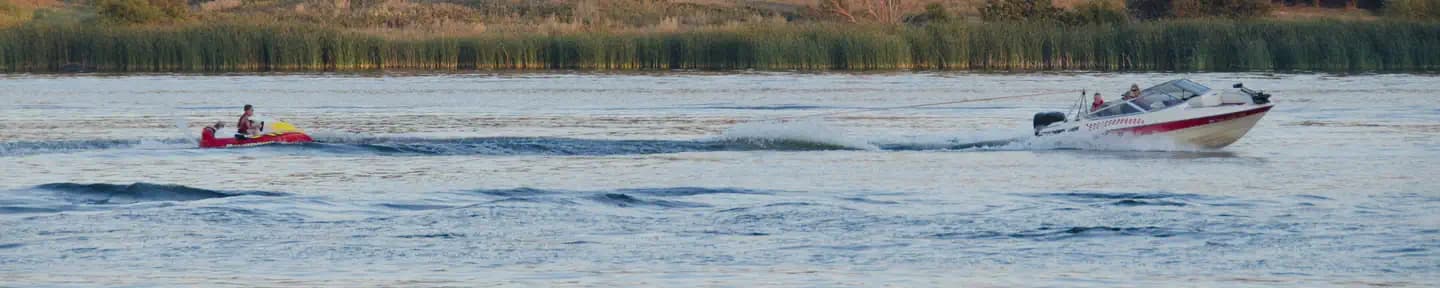
Overview The Eggerts Landing Campground is located on Lake Ashtabula in eastern North Dakota. With thick forests, secluded sites and lake access, it is the most popular campground in the area. Lake Ashtabula was created by the construction of the Baldhill Dam on the Sheyenne River in 1944, and is situated in one of the most scenic river valleys in the region, offering visitors a wide range of recreation opportunities year-round. Summer activities include fishing, boating, swimming and picnicking, while Ice fishing and cross-country skiing are popular during winter months. Recreation There is no shortage of recreation opportunities and outdoor fun in and around the lake. Visitors can swim, picnic and hike within the campground. A fishing pier is a short walk away. The name "Ashtabula" is a Native American word meaning "Fish River," which suits the lake's fish population; popular species include walleye, northern pike, white bass, yellow perch and black bullhead. With seven boat ramps, three accessible fishing piers and four automated fish cleaning stations, the lake is very convenient for anglers. Nearly 3,000 acres of land around the lake is managed as wildlife habitat by the Corps of Engineers and open to the public for wildlife viewing, birding, hiking and hunting. Hunters and anglers should contact the North Dakota Game and Fish Department for seasons, restrictions and licenses; fishing licenses and bait may be purchased from concessionaires around the lake. Campers can also reach the 63-mile Sheyenne River Valley National Scenic Byway and access nearly 35 miles of the North Country National Scenic Trail within a short drive. Facilities There is no shortage of recreation opportunities and outdoor fun in and around the lake. Visitors can swim, picnic and hike within the campground. A fishing pier is a short walk away. The name "Ashtabula" is a Native American word meaning "Fish River," which suits the lake's fish population; popular species include walleye, northern pike, white bass, yellow perch and black bullhead. With seven boat ramps, three accessible fishing piers and four automated fish cleaning stations, the lake is very convenient for anglers. Nearly 3,000 acres of land around the lake is managed as wildlife habitat by the Corps of Engineers and open to the public for wildlife viewing, birding, hiking and hunting. Hunters and anglers should contact the North Dakota Game and Fish Department for seasons, restrictions and licenses; fishing licenses and bait may be purchased from concessionaires around the lake. Campers can also reach the 63-mile Sheyenne River Valley National Scenic Byway and access nearly 35 miles of the North Country National Scenic Trail within a short drive. Natural Features The campground is heavily wooded offering shade and privacy for most sites. The lake area lies amidst the 'prairie potholes' region of glacially-carved lakes in North Dakota. Spring and fall bring bountiful views of migratory water birds to Lake Ashtabula, including the unique white pelican, which can be seen in large flocks during summer. The region also provides habitat for white-tailed deer, sharptail grouse, wild turkey and gray partridge.
View details →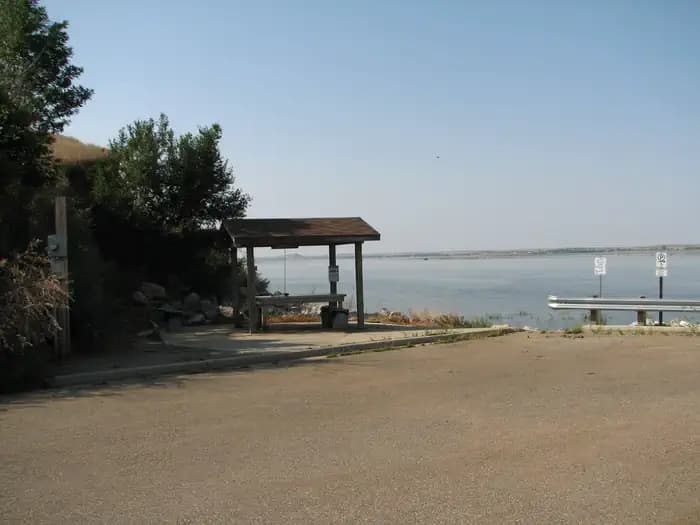
Overview Hazelton Recreation Area is located on the east bank of the Missouri River on Lake Oahe just south of Bismarck, North Dakota. The lake is formed by the Oahe Dam in South Dakota, which was built during the Flood Control Act of 1944, commonly called the Pick-Sloan Plan. The lake and dam are named for the Oahe Indian Mission established in 1874 among the Lakota Sioux Indians. Over 50 recreation areas are scattered around Lake Oahe, where camping, fishing, boating and hunting are popular activities. For more information, please visit the Oahe Dam & Lake website . Recreation Visitors enjoy coming to Lake Oahe for its great boating, water skiing, swimming and fishing opportunities. Many species of fish inhabit the lake, including walleye, northern pike and yellow perch. Many acres of land around the lake are open to public hunting. A wide variety of small and large game animals inhabit the area, including deer, pronghorn, grouse, dove, pheasant, partridge, squirrel, rabbit and waterfowl. Facilities Visitors enjoy coming to Lake Oahe for its great boating, water skiing, swimming and fishing opportunities. Many species of fish inhabit the lake, including walleye, northern pike and yellow perch. Many acres of land around the lake are open to public hunting. A wide variety of small and large game animals inhabit the area, including deer, pronghorn, grouse, dove, pheasant, partridge, squirrel, rabbit and waterfowl. Natural Features Lake Oahe extends from Oahe Dam near Pierre, South Dakota to Bismarck, North Dakota and is 231 miles long. Its 2,250 miles of shoreline are made up of mixed grass prairie dotted with trees that grow down to the shore in occasional steep draws. Nearby Attractions Lake Oahe contact_info For facility specific information, please call (701) 255-0015. Charges & Cancellations A $10 service fee will apply if you change or cancel your reservation. Reservation changes and cancellations can be made on Recreation.gov or by calling 1-877-444-6777. For more information on rules and policies regarding reservation cancellations and changes, please visit: https://www.recreation.gov/rules-reservation-policies .
View details →
Overview Beaver Creek Recreation Area is located on the north side of Beaver Bay on Lake Oahe , 16 miles west of Linton, ND off Highway 1804. The lake and dam are named for the Oahe Indian Mission established in 1874 among the Lakota Sioux Native Americans. Over 50 recreation areas are scattered around Lake Oahe, where camping, fishing, boating and hunting are popular activities. For more information, visit the Lake Oahe Project Website . Recreation Visitors enjoy coming to Lake Oahe for its great boating, water skiing, swimming and fishing opportunities. Many species of fish inhabit the lake, including walleye, northern pike and yellow perch. Many acres of land around the lake are open to public hunting. A wide variety of small and large game animals inhabits the area, including deer, pronghorn, grouse, dove, pheasant, partridge, squirrel, rabbit and waterfowl. Facilities Visitors enjoy coming to Lake Oahe for its great boating, water skiing, swimming and fishing opportunities. Many species of fish inhabit the lake, including walleye, northern pike and yellow perch. Many acres of land around the lake are open to public hunting. A wide variety of small and large game animals inhabits the area, including deer, pronghorn, grouse, dove, pheasant, partridge, squirrel, rabbit and waterfowl. Natural Features Lake Oahe , the fourth largest reservoir by overall water volume in the United States and an area of 370,000 surface acres extends from Pierre, South Dakota to Bismarck, North Dakota and is 231 miles long. Located in the Missouri River Valley, Lake Oahe's 2,250 miles of shoreline are made up of mixed grass prairie dotted with trees that grow down to the shore in occasional steep draws. Nearby Attractions Lake Oahe contact_info For facility specific information, please call (701) 255-0015. Charges & Cancellations Reservation changes and cancellations can be made on Recreation.gov or by calling 1-877-444-6777. For more information on rules and policies regarding reservation cancellations and changes, please visit: https://www.recreation.gov/rules-reservation-policies .
View details →
Overview For people visiting the South Unit of Theodore Roosevelt National Park, Cottonwood Campground is a great place to stay. Located five miles (8 km) from the entrance to the South Unit of the park, the campground is open year-round. To make a reservation for the group site please visit this the Cottonwood Group Site (ND ) page. Recreation Hikers can access the estimated 70 miles (21 km) of trails within a short distance of the campground. Visit the Hiking and Trail Information page on the park website or stop at a Visitor Center for more details. Located immediately adjacent to the Little Missouri River and filled with Cottonwood trees bird watching in the campground can be a rewarding experience. Watch for Bison that can be seen traveling through the campground on their way to a stop at the river. Just a few miles from the campground is the Peaceful Valley Ranch. A former ranch from Theodore Roosevelt's time, the location also serves as one of the best sites in the park for outstanding night sky viewing. Facilities Hikers can access the estimated 70 miles (21 km) of trails within a short distance of the campground. Visit the Hiking and Trail Information page on the park website or stop at a Visitor Center for more details. Located immediately adjacent to the Little Missouri River and filled with Cottonwood trees bird watching in the campground can be a rewarding experience. Watch for Bison that can be seen traveling through the campground on their way to a stop at the river. Just a few miles from the campground is the Peaceful Valley Ranch. A former ranch from Theodore Roosevelt's time, the location also serves as one of the best sites in the park for outstanding night sky viewing. Natural Features The Little Missouri River is the central, unifying feature of this wild and broken land where, as a young man, Theodore Roosevelt ranched and hunted in the 1880s. The park is part of both the Northern Great Plains and the West, blending a rich natural beauty with diverse human history. The rugged topography, with its flora and fauna, also provides an opportunity to discover the badlands environment as Roosevelt once did. It is a place to experience a land and way of life that helped shape Theodore Roosevelt's attitudes and philosophy regarding conservation. Cottonwood trees surrounding the campsite turn golden in the fall. Although the campground is moderately forested, most of the campsites are in partial to full sun but visitors can cool off in the cold river when temperatures peak during summer. Nearby Attractions The town of Medora has shopping, restaurants, amenities and the Medora Musical is located approximately five miles (8 km) to the south. The Little Missouri National Grassland is the largest National Grassland in the nation at 1.03 million acres (416,826 ha). It is located in western North Dakota and is managed by the Medora Ranger District in Dickinson, ND and the McKenzie Ranger District in Watford City, ND. The National Grassland provides additional recreation opportunities in the area.
View details →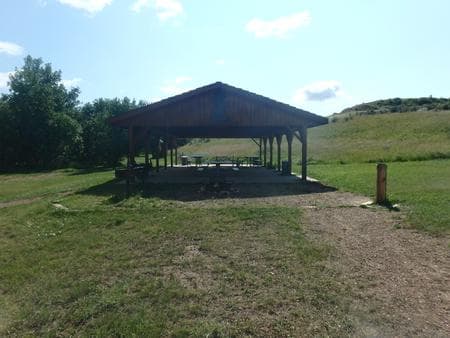
Overview For groups with or without horses visiting the South Unit of Theodore Roosevelt National Park, Roundup Horse Campground is a great place to stay. Located 12 miles (19 km) from the entrance to the South Unit of the park, the campground is open from May 1 to October 31. Recreation Hikers and horseback riders can access the estimated 70 miles (113 km) of trails within a short distance of the campground. Visit the Hiking and Trail Information page on the park website or stop at a Visitor Center for more details. Facilities Hikers and horseback riders can access the estimated 70 miles (113 km) of trails within a short distance of the campground. Visit the Hiking and Trail Information page on the park website or stop at a Visitor Center for more details. Natural Features The Little Missouri River is the central, unifying feature of this wild and broken land where, as a young man, Theodore Roosevelt ranched and hunted in the 1880s. The park is part of both the Northern Great Plains and the West, blending a rich natural beauty with diverse human history. The rugged topography, with its flora and fauna, also provides an opportunity to discover the badlands environment as Roosevelt once did. It is a place to experience a land and way of life that helped shape Theodore Roosevelt's attitudes and philosophy regarding conservation. Cottonwood trees surrounding the campsite turn golden in the fall. Nearby Attractions The town of Medora has shopping, restaurants, amenities and the Medora Musical is located approximately 12 miles to the south. The Little Missouri National Grasslands is the largest National Grassland in the nation at 1.03 million acres. It is located in western North Dakota and is managed by the Medora Ranger District in Dickinson, ND and the McKenzie Ranger District in Watford City, ND. The National Grassland provides additional recreation opportunities in the area.
View details →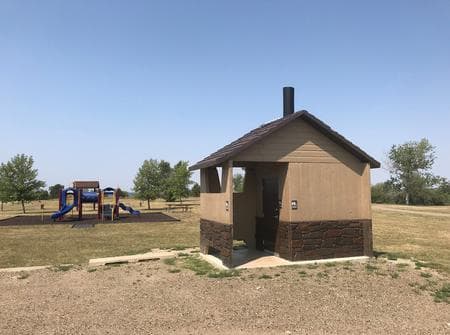
Overview The Wolf Creek Campground is located along the southern shore of beautiful Lake Sakakawea. The recreation area offers a wide variety of recreational activities, including boating, fishing, hiking, mountain biking, sailing, scuba diving, bird watching, and hunting. In the winter the area offers great ice fishing access opportunites. For more information about Lake Sakakawea, please visit the Garrison Project website here . Recreation Lake Sakakawea offers excellent boating, swimming, fishing and hunting opportunities. Several state record fish have been caught in Lake Sakakawea. Anglers fish for walleye, Sauger, northern pike, muskie, small and large mouth bass, bluegill and crappie. Chinook salmon can be also found in the lake, the only body of water in the state with this species and is very popular place to camp as a result. The best catfishing is found directly below Garrison Dam just 6 miles away. Younger visitors love the playground in the campground. While the volleyball courts, horseshoe pits are enjoyed by campers of all ages. There are showers available in our Downstream Campground just 5 miles down the road as well as amphitheater programs in the evenings on Saturdays. The Wolf Creek Wildlife Management Area is located east and west of the campground and offers great hunting opportunities, its full of grass and wooded areas are open to the public for deer, pheasant, sharp-tail grouse, cottontail rabbits, and tree squirrels during open season. Facilities Lake Sakakawea offers excellent boating, swimming, fishing and hunting opportunities. Several state record fish have been caught in Lake Sakakawea. Anglers fish for walleye, Sauger, northern pike, muskie, small and large mouth bass, bluegill and crappie. Chinook salmon can be also found in the lake, the only body of water in the state with this species and is very popular place to camp as a result. The best catfishing is found directly below Garrison Dam just 6 miles away. Younger visitors love the playground in the campground. While the volleyball courts, horseshoe pits are enjoyed by campers of all ages. There are showers available in our Downstream Campground just 5 miles down the road as well as amphitheater programs in the evenings on Saturdays. The Wolf Creek Wildlife Management Area is located east and west of the campground and offers great hunting opportunities, its full of grass and wooded areas are open to the public for deer, pheasant, sharp-tail grouse, cottontail rabbits, and tree squirrels during open season. Natural Features The campground is situated in a nice open grassy area with lake views from most of the campsites with the sites being right on the water. Nearby Attractions Garrison Dam National Fish Hatchery is minutes from the campground and is open to the public. It has a visitor center complete with five 400-gallon aquariums, provides great opportunities to view the fish of North Dakota in their environment. The Garrison Dam Power Plant offers walking tours during the months of June, July, and first part of August on Thursday, Friday, and Saturday at 2pm. The Audubon National Wildlife Refuge Visitor Center is located about 8 miles away on the south shore of Lake Audubon off Hwy. 83. The visitor center offers a variety of guided tours and environmental education programs. contact_info For facility specific information, please call (701) 654-7411. Charges & Cancellations Reservation changes and cancellations can be made on Recreation.gov or by calling 1-877-444-6777. For more information on rules and policies regarding reservation cancellations and changes, please visit: https://www.recreation.gov/rules-reservation-policies .
View details →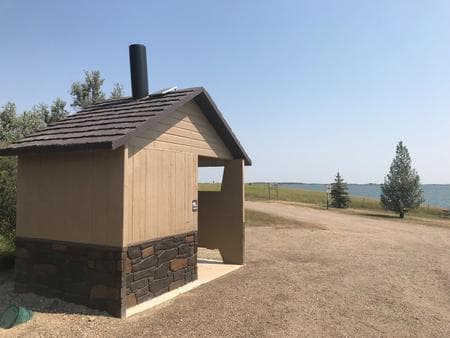
Overview East Totten Trail Campground is located on the west banks of Lake Audubon. This is the only campground on the entire lake! This campground and day use area offers a wide variety of recreation activities, including boating, fishing, swimming, hiking, mountain biking, scuba diving, wildlife viewing, and bird watching. In the winter time the area offers excellent access for ice fishing and other outdoor recreational opportunites. For more information, please visit the Lake Sakakawea / Garrison Project website here . Recreation Lake Audubon offers excellent boating, swimming, and fishing opportunities. Anglers fish for walleye, sauger, northern pike, muskie, white bass, small and large mouth bass, bluegill, crappie. Chinook salmon can be found in the neighboring lake of Lake Sakakawea only a stone's throw away across the hwy from Lake Audubon. The area offers a wide variety of outdoor recreational opportunities. The campground is next to the Audubon Wildlife Management Area and offers hunting opportunities. Audubon Lake, a sister lake to Lake Sakakawea, was also formed with the construction of the Garrison Dam near Riverdale, N.D. The two lakes are separated by an embankment, which carries US Highway 83. Audubon Lake makes up most of the U.S. Fish and Wildlife Service's Audubon National Wildlife Refuge. The refuge and Audubon National Wildlife Complex are named in honor of John James Audubon, a naturalist and wildlife painter during the 19th century. Audubon spent the summer of 1843 collecting bird specimens and painting pictures of northern plains wildlife in the area. Facilities Lake Audubon offers excellent boating, swimming, and fishing opportunities. Anglers fish for walleye, sauger, northern pike, muskie, white bass, small and large mouth bass, bluegill, crappie. Chinook salmon can be found in the neighboring lake of Lake Sakakawea only a stone's throw away across the hwy from Lake Audubon. The area offers a wide variety of outdoor recreational opportunities. The campground is next to the Audubon Wildlife Management Area and offers hunting opportunities. Audubon Lake, a sister lake to Lake Sakakawea, was also formed with the construction of the Garrison Dam near Riverdale, N.D. The two lakes are separated by an embankment, which carries US Highway 83. Audubon Lake makes up most of the U.S. Fish and Wildlife Service's Audubon National Wildlife Refuge. The refuge and Audubon National Wildlife Complex are named in honor of John James Audubon, a naturalist and wildlife painter during the 19th century. Audubon spent the summer of 1843 collecting bird specimens and painting pictures of northern plains wildlife in the area. Natural Features The campground is situated in a nice grassy area with some trees with the beautiful lake view from almost every campsite. Nearby Attractions The Audubon National Wildlife Refuge Visitor Center is located just 3 miles away on the south shore of Lake Audubon off Hwy. 83 The visitor center offers a variety of guided tours and environmental education programs. The Garrison Dam National Fish Hatchery is just a few minutes from the Campground near Riverdale, ND and is open to the public. It has a Visitor Center, complete with five 400-gallon aquariums, provides great opportunities to view the fish of North Dakota in their environment. The Garrison Dam Power Plant does offer walking tours during the months of June, July, and the first part of August on Thursdays, Fridays, and Saturdays at 2pm. contact_info For facility specific information, please call (701) 654-7411. Charges & Cancellations Reservation changes and cancellations can be made on Recreation.gov or by calling 1-877-444-6777. For more information on rules and policies regarding reservation cancellations and changes, please visit: https://www.recreation.gov/rules-reservation-policies .
View details →FAQ
Camping in North Dakota
How many campgrounds are listed in North Dakota?
TheCampVerse currently lists 12 campgrounds in North Dakota.
What campground types are most common in North Dakota?
The most common campground types are Campground.
How can I compare campgrounds in North Dakota?
Use the campground cards and featured links on this page to compare descriptions, amenities, and details before opening each campground profile.
Keep exploring